Fans Want Your Soul for Free — and They're Not Subtle About It
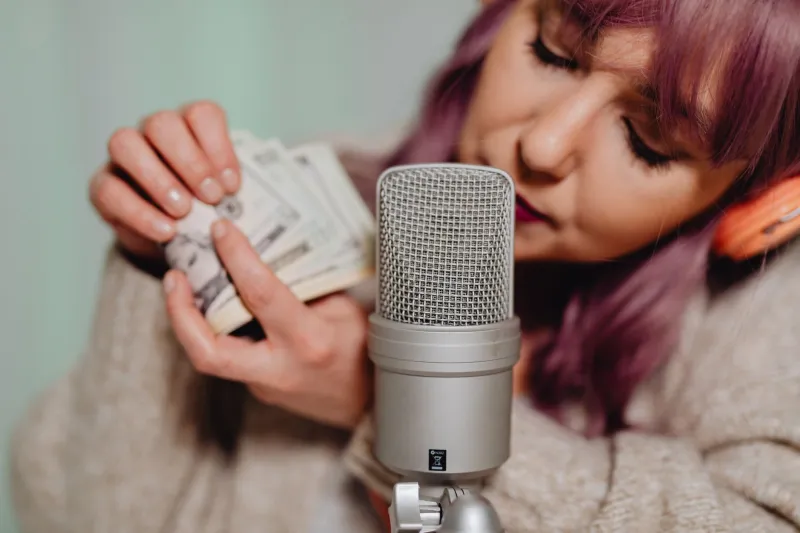
Let's be honest about something that doesn't get talked about enough in creator spaces: a chunk of the internet has decided that the moment you start charging for your time, you've sold out. Not pivoted. Not grown. Sold out. And that belief — quiet, persistent, and surprisingly widespread — is doing real damage to real people who are just trying to pay their rent.
This isn't a new tension. But it's getting sharper as more streamers try to turn their platforms into actual livelihoods, and as audiences feel increasingly possessive over the creators they helped build up.
The 'Keep It Real' Trap
Authenticity is basically the religion of the streaming world. Audiences flock to creators precisely because they feel unpolished, unscripted, and honest in ways that traditional media never was. That's a genuinely beautiful thing. The problem is when "keeping it real" gets quietly redefined to mean "keep doing this for free."
It sounds like this: You changed when you got sponsors. Or: You used to care about the community, now it's all about money. Or the classic: I've been here since day one and now you're putting stuff behind a paywall?
On the surface, those comments read like loyalty. Underneath, they're leverage. Emotional leverage, designed — consciously or not — to make creators feel like monetization is a betrayal rather than a survival strategy.
And it works. Plenty of streamers have pulled back on Patreon tiers, dropped sponsorship deals, or kept grinding for free longer than they should have, specifically because of audience backlash they didn't know how to handle.
Who Actually Gets Hurt Here
Here's the part that stings: the creators most vulnerable to this pressure are usually the ones who care the most. The ones who built genuine relationships with their communities, who responded to every comment, who stayed live for six hours because the chat was having a rough night. Their deep investment in the audience becomes the exact thing that gets used against them.
Meanwhile, the massive streamers with eight-figure deals and brand partnerships don't lose sleep over a few angry comments. They have PR teams and revenue cushions. It's the mid-tier creator — the person with 8,000 followers who's been at this for three years and is still working a day job — who absorbs the most damage from this culture.
For a lot of those creators, the choice isn't between "selling out" and "staying pure." It's between monetizing and quitting entirely. And when they quit, the audience that guilted them into free content loses them anyway. Nobody wins.
The Entitlement Nobody Names
There's a word that rarely gets used in these conversations: entitlement. Audiences don't love hearing it applied to themselves, especially audiences who genuinely believe they're the loyal ones, the real fans, the ones who were there before the numbers got big.
But entitlement doesn't require malice. It can come from a place of genuine attachment. When you've spent hundreds of hours watching someone, chatting with them, feeling like you know them, it creates a sense of ownership that feels emotional but functions like a financial claim. You start to believe that your loyalty entitles you to their time, their content, and their presence — indefinitely, on your terms.
That's not a fan relationship. That's something else, and it's worth naming clearly.
How Streamers Are Pushing Back
The creators who've navigated this most successfully tend to do a few things differently. First, they talk about money openly and without apology. Not in a defensive way — in a matter-of-fact, here's-the-reality way. When audiences understand the actual cost of producing content (equipment, software, time, bandwidth, the mental load of showing up consistently), the "it's all about money" narrative gets harder to sustain.
Second, they reframe what loyalty actually looks like. The streamers who've held their ground tend to flip the script: supporting a creator financially is the loyal move. It's what keeps the thing you love alive. Watching for free while complaining about a $5 subscription tier is not a flex — it's freeloading dressed up as principle.
Third, and maybe most importantly, they stop treating their audience's comfort as the highest value. That's a hard shift for creators who built their whole identity around community. But there's a difference between serving your audience and being owned by them. The most sustainable streamers have learned to hold that line without burning the relationship down.
Freedom Costs Something
There's something almost ironic about a platform culture built on freedom of expression becoming a space where creators feel trapped — not by corporate overlords or algorithm changes, but by the very audiences who say they support them.
Real freedom in this space means the ability to build something sustainable. It means being able to keep showing up without destroying yourself financially to do it. And it means having communities that understand the difference between supporting a creator and consuming them.
The streamers who are figuring this out aren't abandoning authenticity. They're expanding the definition of it to include financial honesty, personal boundaries, and the right to be compensated for work that has real value.
That's not selling out. That's growing up. And the audiences worth keeping around will eventually get there too.
The Bottom Line
If you've ever felt guilty for launching a Patreon, or quietly killed a sponsorship deal because you were scared of the comments, you're not alone — and you're not wrong for wanting to get paid. The culture that frames creator monetization as moral failure is doing nobody any favors, least of all the fans who'd rather lose their favorite streamer entirely than chip in five bucks a month.
Stream free? Sure. But live loud enough to demand what your work is actually worth.