No Studio, No Problem: The Regular People Racking Up Massive Streaming Audiences
The Camera Turns On, and Everything Changes
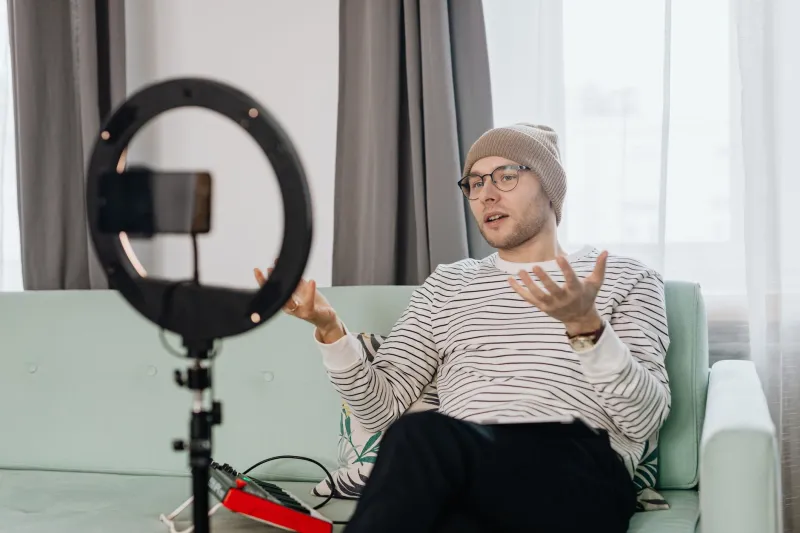
Somewhere in Tulsa, Oklahoma, a 28-year-old named Marcus fires up his PC every Tuesday and Thursday night. He doesn't have a producer. He doesn't have a publicist. What he has is a $120 webcam, a secondhand ring light he found on Facebook Marketplace, and 94,000 people who genuinely cannot wait to watch him play survival games and talk about whatever's on his mind.
Marcus isn't an anomaly. He's part of a wave sweeping across the country — everyday Americans who decided to stop waiting for permission from traditional media gatekeepers and just... start. And the audiences? They showed up.
This is the new face of entertainment in the United States, and it looks a whole lot like your neighbor.
Why 'Real' Beats 'Refined' Every Single Time
There's a reason people flip past a slickly produced YouTube ad but will sit through two hours of an unscripted live stream where the host spills their coffee and laughs about it. Authenticity isn't just a buzzword — it's the actual product.
Research consistently shows that younger American audiences, particularly those under 35, place enormous value on feeling like they know the person they're watching. When a streamer stumbles over their words, gets emotional talking about a rough week, or genuinely reacts to something unexpected in real time, that's not a flaw. That's the whole point.
Take Dani, a 31-year-old fitness streamer based outside of Nashville. She started going live during the pandemic, initially just to stay accountable to her own workout goals. "I literally just set my phone against a water bottle and pressed go," she says. "I had zero clue what I was doing." Eighteen months later, she had 60,000 regular viewers, a Patreon generating consistent monthly income, and brand partnership inquiries from supplement companies.
What she didn't have was a professional camera crew or a gym sponsorship when she started. What she had was consistency, a genuine personality, and the willingness to be imperfect on camera.
Picking Your Platform Is a Real Decision
One of the first choices new streamers face is where to set up shop, and it matters more than most people realize. Each major platform carries its own culture, algorithm quirks, and monetization rules.
Twitch remains the dominant force in gaming and live content, with built-in community tools and a subscriber model that rewards loyal audiences. But it's crowded, and discoverability for new creators can be brutal.
YouTube Live offers the massive advantage of search — your past streams live on as searchable video, essentially working as a marketing engine for your live shows. It's a strong choice for creators in educational, fitness, or talk formats.
TikTok Live has exploded as an entry point for creators who already have a short-form following and want to convert casual viewers into real-time community members. The platform's gifting system can generate surprising income, though it skews heavily toward younger demographics.
Facebook Live still holds surprising power, particularly for creators targeting audiences over 40 or building community-based content around local interests, parenting, or faith.
Then there are emerging platforms — including spaces specifically designed around freedom of expression and unfiltered creator-audience connection — that are drawing creators who feel constrained by the big players' content policies or revenue splits.
The smartest streamers don't put all their eggs in one basket. They stream on a primary platform but maintain a presence across two or three, using each one's strengths to funnel audiences toward their main hub.
The Engagement Game: It's Not About Numbers, It's About People
Here's what separates streamers who plateau at a few hundred viewers from those who build genuine movements: they treat their chat like a room full of people, not a scroll of usernames.
Jamie, a 24-year-old who runs a live music and song-request stream out of his apartment in Austin, Texas, has 40,000 followers — not a massive number by industry standards. But his streams regularly pull in 3,000 to 5,000 concurrent viewers, a retention rate that most mid-tier creators would trade a lot for.
His secret? "I read every name. I respond to as many people as I can. I remember stuff — like if someone mentioned their dog last week, I'll ask about the dog this week." He laughs. "People don't come to watch me play guitar. They come because they feel like they're part of something."
That sense of belonging is the real product these creators are selling. Discord servers, community polls, viewer-voted decisions during streams, shoutouts, inside jokes that develop over months — these aren't just engagement tricks. They're the architecture of actual community.
The Money Side: What a Sustainable Streaming Career Actually Looks Like
Let's be straight: most streamers aren't buying beach houses. But a growing number of Americans are generating real, sustainable income from independent streaming, and the economics are more accessible than most people assume.
The typical income stack for a mid-level creator looks something like this:
- Subscriptions/memberships (Twitch subs, YouTube memberships, Patreon) provide the most stable monthly base
- Donations and tips during live streams can spike dramatically during milestone events or emotional moments
- Brand partnerships become available earlier than most new streamers expect — even at 5,000 followers, niche brands will pay for authentic placement
- Merchandise is increasingly viable thanks to print-on-demand services that require zero upfront inventory
- Coaching and community products (courses, private Discord access, one-on-one sessions) add high-margin income for creators with established credibility
A streamer hitting 10,000 consistent viewers can realistically target $3,000–$8,000 per month combining these streams. At 50,000 viewers? The ceiling climbs considerably — and quickly.
The key word is consistent. The creators who make it aren't necessarily the most talented or the most interesting. They're the ones who showed up every week, even when the viewer count was embarrassing, and kept building.
Freedom Starts When You Press Go
What's happening in living rooms, home offices, and spare bedrooms across America right now is genuinely new. For the first time in the history of media, you don't need a network, a label, a publisher, or a studio to reach a massive audience. You need a camera, an internet connection, and something real to share.
The gatekeepers didn't disappear overnight. But they've never been less relevant than they are right now.
Marcus in Tulsa is still streaming. Dani outside Nashville just hit 75,000 followers. Jamie in Austin got a call from a record label — he turned them down because, as he put it, "I make more doing this my way, and nobody tells me what to play."
That's the whole point. Stream free. Connect real. The audience is already out there waiting.