Nobody Signed Up for This: How Ordinary Streamers Accidentally Sparked Real Movements
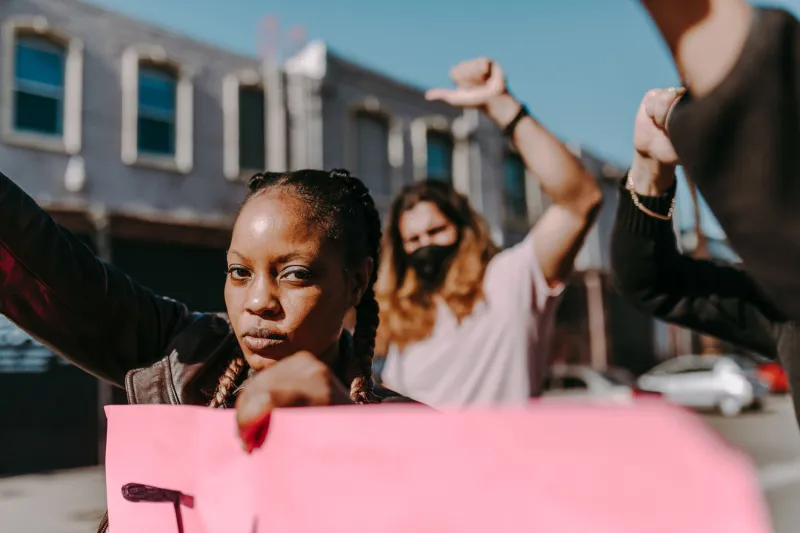
There's a particular kind of vertigo that hits when you realize the thing you said on a Tuesday night stream — the thing you said between sips of coffee while your cat walked across the keyboard — is now being quoted in a news article. Or shared by a senator. Or printed on a protest sign.
Nobody warned these creators that this was part of the deal.
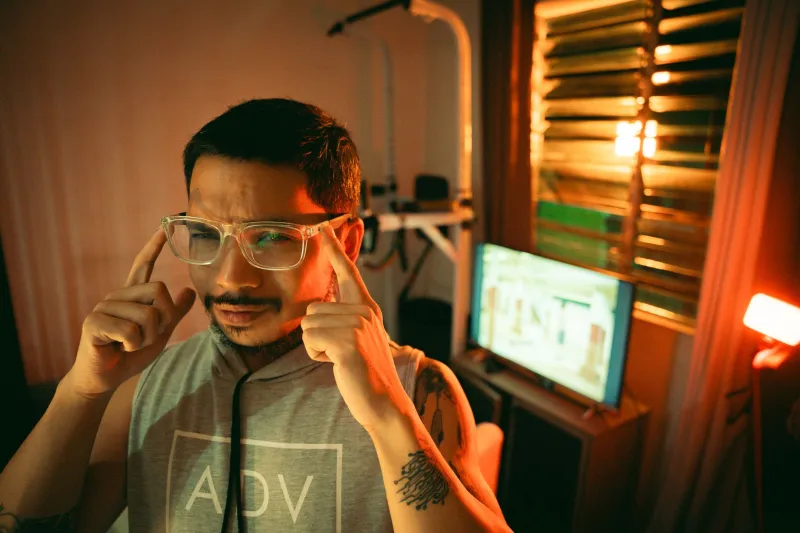
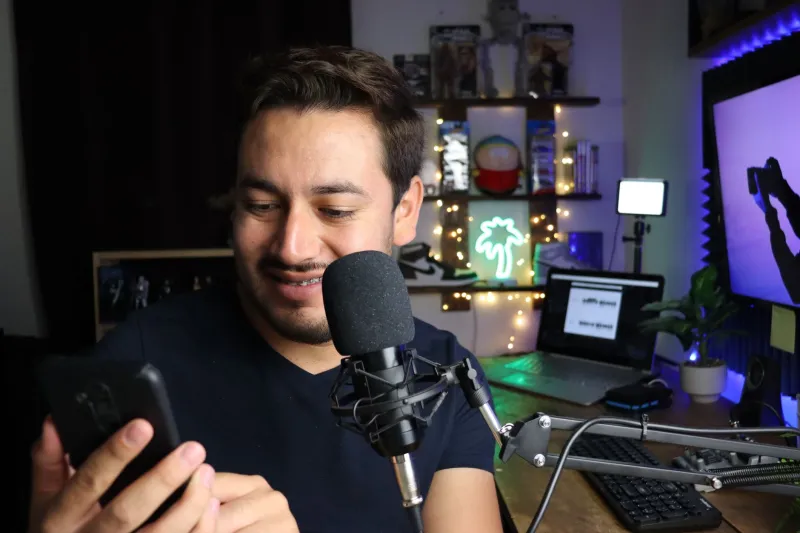
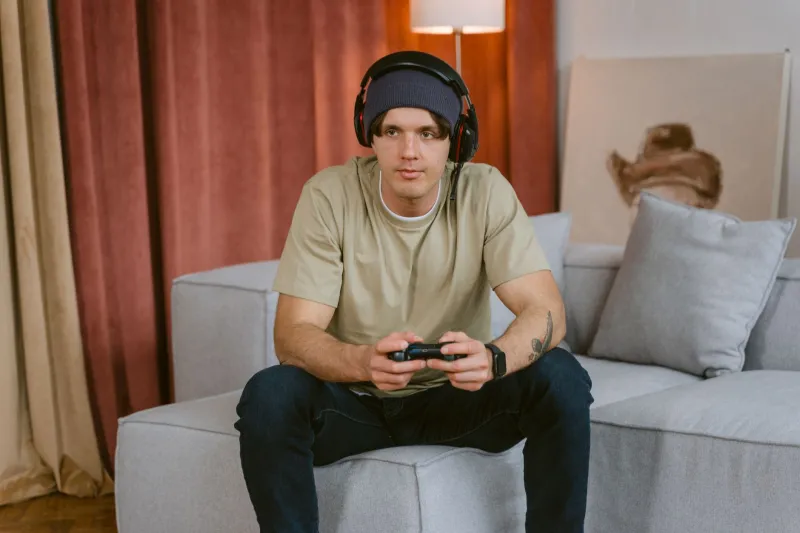
And yet, across the US, a quietly growing number of live streamers are waking up to find themselves in exactly that position: ordinary people who logged on to entertain, connect, or just fill an evening, and ended up sparking something they never planned for.
The Moment Everything Shifts
It rarely starts with a manifesto. More often, it starts with frustration — a streamer ranting about a local zoning decision, a gamer calling out discriminatory behavior in a game lobby, a mom describing what it's actually like to navigate the healthcare system with a sick kid. Raw, unfiltered, completely in-the-moment.
That authenticity is exactly what makes live streaming different from every other media format. There's no editor, no PR handler, no 24-hour delay. What you feel is what goes out. And sometimes, what you feel turns out to be what millions of other people were feeling too, but hadn't found the words for yet.
When a stream clip hits that nerve — when it captures something true about a shared frustration, injustice, or overlooked experience — the platform stops mattering. It jumps from Twitch to TikTok to Twitter to the evening news. And suddenly a person who just wanted to talk to their community is fielding interview requests and getting tagged in congressional hearings.
The Weight Nobody Warned You About
Here's the part that doesn't get talked about enough: the aftermath.
Going viral for a social moment isn't the same as going viral for a funny clip. The stakes feel different. The attention is different. And the expectations that follow? Completely different.
Streamers who find themselves in this position often describe a sudden, disorienting pressure to become something they never auditioned for. Overnight, their chat fills with people who don't know their content history — people who showed up specifically because of The Moment, and who now expect every stream to carry that same energy. Meanwhile, their original community, the regulars who were there for gaming or cooking or just vibing, are watching the whole thing shift underneath them.
There's also the very real weight of responsibility. When your words are being used to fuel a movement, you start to think hard about every word that comes next. That instinct toward self-censorship can be its own kind of trap — the opposite of the freedom that made live streaming feel so powerful in the first place.
Owning It vs. Running From It
Creators tend to fall into two camps when this happens, and neither path is easy.
Some lean into the platform they've accidentally built. They start doing deeper research before they speak, connecting with organizers and advocates, treating their stream like a genuine public forum. They accept the mantle — sometimes reluctantly — and try to use it well. This takes real courage, because it means accepting that you're no longer just a streamer. You're a voice. And voices get scrutinized.
Others pull back. They post a statement, acknowledge the moment, and then deliberately steer their content back toward what it was before. Not because they don't care, but because they know their limits. Because they're not a journalist, not an activist, not a policy expert — and pretending otherwise would be its own kind of dishonesty.
Both choices are valid. What matters is that the choice is made consciously, not just reactively.
The Platform Question Nobody Wants to Answer
There's an uncomfortable layer to all of this that involves the platforms themselves. When a stream goes viral for social relevance, the platforms benefit enormously from the traffic spike — but the creator carries all the risk. Content moderation decisions, demonetization, account restrictions: these can hit at exactly the moment a creator needs their platform most.
Some streamers have learned this the hard way, finding their accounts flagged or their streams pulled down right when their message was reaching the widest audience. It reinforces something the creator community has been saying for years: when you build on someone else's land, you're always one policy change away from losing everything.
That's part of why independent platforms and owned communities matter so much in this space. The streamers who navigate accidental activism most effectively tend to be the ones who already had a foundation outside the algorithm — an email list, a Discord, a website they controlled. When the platform wobbles, they still have somewhere to stand.
What Authenticity Actually Costs
Freedom of expression sounds great in theory. In practice, it comes with a price tag that nobody fully discloses upfront.
When you speak without a filter, you're giving people something real — and real things have real consequences. That's not an argument for silence. It's an argument for self-awareness. The most grounded creators who've been through this kind of viral moment describe a process of figuring out who they actually are, separate from who the internet has decided they should be.
That process takes time. It takes a community that knew you before the moment, and will know you after. It takes the willingness to disappoint some of the new arrivals by refusing to perform a version of yourself that doesn't fit.
And honestly? That refusal — that insistence on staying human and complicated and real — might be the most radical act of all.
Live Loud, But Know Your Voice
The accidental activists of the streaming world didn't set out to lead anything. They set out to connect — which, when you think about it, is where every real movement starts anyway.
The technology just made it possible to connect faster, wider, and more honestly than any previous generation could manage. A person in their bedroom in Tulsa can reach someone in a Brooklyn apartment and someone in rural Montana simultaneously, in real time, without a media company deciding whether their story is worth telling.
That's genuinely extraordinary. And it means that the next movement — the next viral moment that shifts a conversation, pressures a policy, or makes a community feel suddenly less alone — is probably already happening on someone's stream right now.
They're not thinking about legacy. They're just being honest.
Sometimes that's enough to change everything.