When Devotion Turns Dangerous: The Uncomfortable Truth About Superfans and the Streamers They Love Too Much
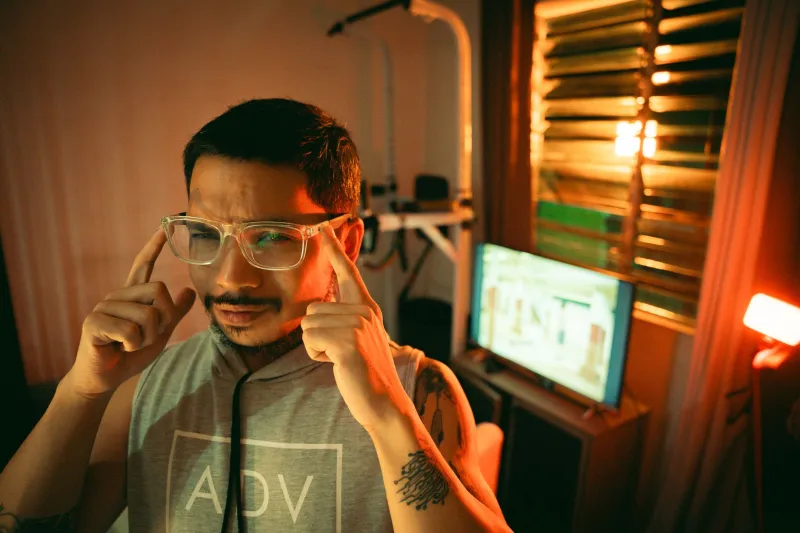
There's a moment every streamer chases — that feeling when a viewer drops into chat and says something like, "You got me through the worst year of my life." It's real. It's meaningful. And it's exactly what makes live streaming unlike any other form of entertainment.
But that same emotional intimacy that makes streaming so powerful can quietly tip into something that keeps creators up at night.
It usually starts small. A viewer who's always there. Someone who remembers details from streams months ago. A person who sends thoughtful gifts, writes long messages, or shows up in every single clip comment with something personal. On the surface, it looks like loyalty. It feels like community. And for a while, it is.
Then something shifts.
The Line Nobody Talks About
Parasocial relationships — the one-sided emotional bonds people form with public figures — aren't new. Fans have been writing love letters to movie stars and camping outside radio stations for decades. But live streaming does something different. It removes almost every layer of distance.
When you're watching someone play a game, cook dinner, or just talk about their day in real time, for hours at a stretch, your brain doesn't always register that the relationship only flows one direction. The streamer laughs at your joke in chat. They remember your username. They say your name out loud. That's not parasocial — that's contact. And it can make the emotional stakes feel very, very real to the person on the other side of the screen.
For most viewers, that's fine. They enjoy the connection, they move on with their lives, and they show up again next stream. But for a small number of people — and every creator with a meaningful audience will eventually encounter at least one — the boundary between "fan of a person" and "relationship with a person" starts to dissolve entirely.
What It Actually Looks Like
Streamers who've navigated this territory describe a pattern that tends to escalate gradually. What starts as enthusiastic engagement becomes an expectation of exclusivity. A viewer who once felt like a cheerleader starts keeping score — tracking when the streamer interacts with others, getting visibly hurt when they're not acknowledged, or reading personal meaning into decisions that had nothing to do with them.
One variety gaming streamer from the Midwest described a viewer who began showing up in Discord servers that weren't even hers, inserting themselves into conversations with her friends and moderators. "They weren't aggressive at first," she said. "They were just... always there. And when I finally said something about needing space, they acted like I'd ended a friendship. Which, in their head, I think I had."
Another creator — a lifestyle streamer based in the Pacific Northwest — received a package at her P.O. box that she'd never made public. She still doesn't know how the sender found it. Inside was a handwritten letter, some homemade food, and a note that referenced details from streams going back over a year. "It wasn't threatening," she said. "That almost made it harder to deal with. Because I didn't want to be unkind. I just wanted to feel safe."
And then there are the cases that cross into territory no one should have to handle alone — fans who show up at locations mentioned casually on stream, who contact family members found through public records, or who frame a streamer's relationship choices as a personal betrayal.
The Guilt That Comes With It
Here's the part that rarely gets discussed: most streamers feel guilty when they have to pull back from an intense fan. That guilt is not irrational. These creators built their audiences by being open, warm, and genuinely present. Drawing a line feels like breaking a promise — even when the promise was never actually made.
"I kept thinking, what if this person has no one else?" said a gaming streamer who eventually had to block a viewer who'd been sending multiple messages a day for months. "What if I'm the only connection they feel like they have? That's a heavy thing to sit with. But I also had to recognize that I'm not equipped to be someone's entire support system. That's not fair to either of us."
This is the core tension: the same authenticity that makes streaming meaningful is the thing that can invite intensity a creator never anticipated and didn't sign up for. You can't be genuinely yourself on camera and then be surprised that people feel like they genuinely know you. But feeling known is not the same as being owed.
How Creators Are Navigating It
The streamers who seem to handle this best aren't the ones who shut everything down or go cold — that tends to backfire, creating a sense of rejection that can escalate things. Instead, they talk about building what one creator called "warm boundaries."
That means being clear about what the community is — a shared space, not a private relationship — without making any single person feel attacked or singled out. It means having moderators who can step in when something feels off, so the creator doesn't have to manage it alone in the middle of a live broadcast. It means thinking carefully about what personal details go on stream and which ones stay off.
Some creators have started being more openly transparent with their audiences about parasocial dynamics themselves — naming the thing, talking about it, and modeling what healthy fandom actually looks like. It's a surprisingly effective tool. When a streamer says, out loud, "I love this community, and I also want to be honest that I can't be your best friend — I'm one person, and there are thousands of you" — it tends to land better than silence ever does.
Platform-level tools help too. Most major streaming platforms have block and report functions, but creators increasingly wish for more nuanced options — ways to quietly limit a specific user's visibility without triggering confrontation, or flags that alert moderators when someone's engagement crosses into concerning territory.
The Bigger Picture
None of this means streamers should stop being real. That would be the wrong takeaway entirely. The connection that live streaming creates is genuinely valuable — for creators, for viewers, and for the broader culture of people who are just trying to feel less alone in a noisy world.
But freedom of expression, real freedom, only works when everyone in the room understands where they stand. Viewers deserve to know what kind of connection they're actually part of. And creators deserve to build communities without wondering if tonight's broadcast is going to bring something they can't take back.
The best streamers aren't just entertaining. They're modeling something — what it looks like to show up fully and still hold your own ground. That's not a performance. That's just being a person.
And sometimes, being a person means saying: I care about this community, and I'm also not available in the way you might want me to be. That sentence is harder than any content strategy. But it might be the most important thing a creator ever learns to say.