Staying True When Your Chat Wants a Different You

The Version of You They Fell in Love With
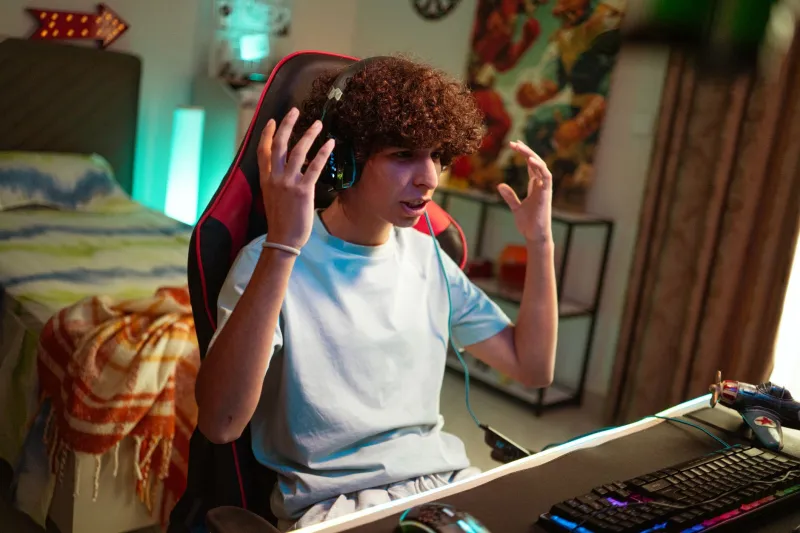
Here's the thing nobody warns you about when you start streaming: your audience doesn't just watch you — they form an idea of you. They build a mental model, a character, almost a fictional version of who you are. And that version? It gets frozen somewhere around the moment they first hit follow.
So when you grow, change your mind, drop a bit they loved, or stop doing that one voice — they notice. And sometimes, they push back hard.
This isn't unique to streaming. Actors deal with it. Musicians deal with it. But for streamers, the feedback loop is instant and relentless. The chat doesn't write a think-piece about your artistic evolution. It just types "bring back old [insert name here]" in real time, over and over, while you're literally mid-sentence trying to be a person.
When Requests Start Feeling Like Demands
There's a spectrum here, and it's worth naming it clearly.
On one end, you've got totally reasonable audience preferences — stuff like "I liked your older editing style" or "your Among Us streams were so fun, can we do that again?" That's just feedback. You can take it or leave it.
But further down that spectrum, things get murkier. Viewers who want you to keep dunking on a political figure you've decided to stop talking about. Fans who want you to revisit a persona you've outgrown because it made them laugh three years ago. People who feel genuinely betrayed when you stop performing a version of yourself that was never really you to begin with.
That's where the dilemma kicks in. Because these aren't bad people. Most of them genuinely care about you — or at least, the you they think they know. But caring about someone doesn't give you authorship over who they're allowed to be.
Streamer and content creator Kaya Remi, who built a following on gaming content before pivoting to lifestyle and mental health topics, described it in a 2023 interview as feeling "like being asked to wear a Halloween costume every single day because someone told you it looked good once." The costume was fun. For a minute. But it wasn't her.
The Persona Trap
Some streamers lean into a persona so hard that untangling themselves from it later becomes genuinely painful — for them and their audience.
And look, personas aren't inherently bad. Plenty of successful creators have built something intentional and theatrical, and that's a valid creative choice. The problem shows up when the persona was never a choice — when it was just whatever got the most laughs or the most views early on, and now the audience expects it on demand.
A streamer who went viral for being aggressively blunt and confrontational might find that their community has self-selected for people who want conflict and edge. If that streamer decides they want to dial that back — maybe because it's exhausting, maybe because it doesn't reflect who they are anymore — they're not just changing their content. They're disrupting a community that built itself around a specific energy.
That's a real cost. And it's one that creators often absorb quietly, without anyone on the outside understanding what's actually happening.
The Loyalty You Didn't Expect
Here's the counterintuitive part: the streamers who draw hard lines and hold them often come out the other side with something more valuable than what they had before.
When you say "I'm not doing that anymore" — and you mean it, and you explain why, and you don't cave when the chat pushes — something interesting happens. Some people leave. But the ones who stay? They trust you differently. They know that what they're seeing is actually real, because they watched you choose yourself over applause.
That's a different kind of loyalty. It's not parasocial attachment to a character. It's genuine connection with a person who showed them they have a spine.
Creators who've navigated this transition — even messily, even with some loss of viewers — frequently describe the community that remains as being far more engaged, more supportive, and honestly more fun to stream for. Because they're not performing for people who need the old bit. They're just showing up as themselves, and finding out who actually wants to be there for that.
Practical Reality: How Do You Actually Handle This?
There's no clean playbook, but a few things tend to work.
Be direct, not apologetic. You don't owe anyone an apology for growing. You can acknowledge that things are changing without framing it like you did something wrong. "I'm moving in a different direction" lands very differently than "I'm so sorry if this disappoints you."
Separate the request from the person making it. Your audience isn't a monolith. The five people in your chat demanding the old content aren't your whole community. Don't let the loudest voices rewrite your sense of what your audience actually wants.
Give people time to adjust. Change doesn't have to be a hard cut. If you're shifting your content focus or dropping a recurring bit, easing into it gives your audience a chance to come along rather than feeling blindsided.
Know your actual lines before you're tested on them. The worst time to figure out what you won't do is when chat is pressuring you live. Think about your values and limits outside of the stream, so when the moment comes, you already know your answer.
Freedom Means the Right to Change
The whole point of building your own platform — your own stream, your own channel, your own space — is that you get to define what happens there. That's not a small thing. That's the entire deal.
An audience that loves you because you're free is an audience worth having. An audience that loves you because you're trapped — trapped in a persona, trapped in a bit, trapped in content that drains you — that's not a community. That's a cage with a subscribe button.
The streamers who last aren't the ones who gave their audience everything they asked for. They're the ones who gave their audience something real, even when real meant saying no.
And in the long run, that's exactly what people come back for.