Stop Waiting for a Green Light That's Never Coming
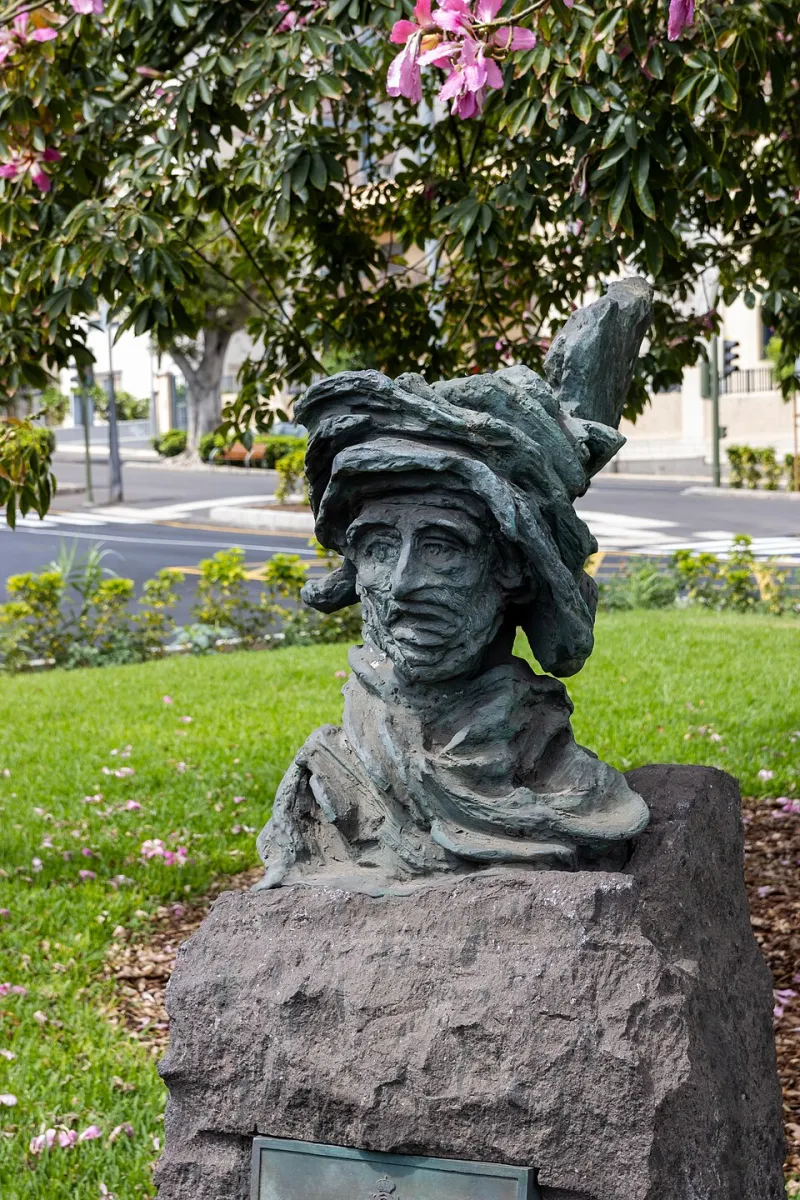
Photo: Photograph by Mike Peel (www.mikepeel.net)., CC BY-SA 4.0, via Wikimedia Commons
There's a version of you that exists only in your head — the streamer who just hits that button without overthinking it, who says the thing they actually mean, who doesn't spend forty-five minutes rewriting a stream title to make sure nobody gets offended. That version of you? They're being held hostage. And the ransom isn't money. It's approval.
This is one of the quieter crises in the creator space right now. We talk a lot about burnout, about algorithm anxiety, about platform drama. But we don't talk nearly enough about the psychological weight of constantly seeking permission before you even start. Permission from your audience. From your sponsors. From the platform. Sometimes from people who don't even watch you.
The Loop Nobody Warns You About
Here's how it usually starts. You're new, you're figuring things out, and you pick up on the unspoken rules fast. Certain topics tank your numbers. A particular joke got a weird reaction in chat. A sponsor dropped a vague hint that your content felt "off-brand." So you adjust. Totally reasonable, right?
Except the adjustments don't stop. They compound. Every tweak you make to keep someone happy becomes the new baseline. Before long, you're not streaming who you are — you're streaming a carefully negotiated version of yourself that's been committee-approved by people who, honestly, might not even be your real audience.
Psychologists call this "approval-seeking behavior," and it's not a personality flaw. It's a learned response. When you get positive reinforcement for playing it safe, your brain files that away. When you get pushback for being too honest or too weird or too you, your brain files that away too. Over time, you start pre-editing yourself before you even open your mouth. That's not authenticity. That's performance anxiety wearing a ring light.
Real Creators, Real Consequences
Talk to enough streamers and you'll hear the same story in different fonts. A gaming streamer who spent eight months softening her opinions on controversial titles because a mid-tier sponsor made a comment about "controversy." She didn't get dropped. She didn't get warned. She just internalized a throwaway remark and let it reshape her entire on-camera voice.
Or the IRL streamer who stopped talking about his mental health journey — something his audience had responded to with genuine warmth — because he was worried a new brand deal would see it as a liability. He pivoted to safer content. His numbers held, technically. But his most loyal viewers noticed something was gone, even if they couldn't name it.
This is the part that stings: the approval-seeking often doesn't even work. You water yourself down, and the audience you were trying to impress either doesn't notice or drifts anyway. Meanwhile, the people who actually connected with the real you start to feel the distance.
What Happens When You Just... Don't Ask
Here's where it gets interesting. Some of the most talked-about streaming moments in recent memory weren't planned. They weren't approved. They were someone deciding, in real time, to just say the thing or do the thing or be the thing — without running it through an internal committee first.
There's something almost chemical about watching a creator operate without a safety net. Audiences feel it. Chat gets louder. Clips get shared. Not because the content was shocking or controversial for its own sake, but because it was real in a way that's increasingly rare. People can tell when you're performing versus when you're actually present, and they will show up for the latter every single time.
Streamers who've made the conscious decision to stop seeking permission before going live consistently report the same thing: their most engaged, most loyal communities formed around the content they were most nervous about making. The stuff they almost didn't post. The opinions they almost kept to themselves. The vulnerable moments they nearly edited out.
The Platform Problem Is Real — But It's Not the Whole Story
Look, it would be dishonest to pretend the platforms don't play a role here. They do. Monetization policies, content guidelines, and the ever-present threat of demonetization or suspension create a real environment where creators feel like they're operating on borrowed freedom. That pressure is legitimate and worth pushing back on.
But here's the thing — a lot of the permission-seeking isn't even coming from the platforms. It's internal. It's the audience you imagine watching, not the one that's actually there. It's the sponsor you're trying to keep happy six months from now. It's the version of success you've built in your head that requires everyone to approve of you simultaneously.
That imaginary audience is brutal. They never laugh at your jokes. They always misinterpret your meaning. They're perpetually on the verge of canceling you. And they don't exist.
Breaking the Habit Without Burning It All Down
None of this means you should go rogue and blow up everything you've built in a single unhinged stream. That's not freedom — that's just a different kind of performance. Real independence from the approval loop is quieter than that.
It looks like hitting live before you've talked yourself out of it. It looks like finishing a sentence you started even though you're not sure where it's going. It looks like having a take and not immediately walking it back when chat pushes on it. Small things. Repeated consistently. Until the version of you that exists in your head starts to match the one your audience actually sees.
The most alive streams — the ones people remember, the ones that build something real — happen when a creator stops asking whether they're allowed and starts asking whether they're being honest. Those aren't always the same question.
Freedom in this space isn't a feature the platforms give you. It's something you have to take back, one stream at a time. The green light isn't coming from anyone else. It never was.
Hit the button.