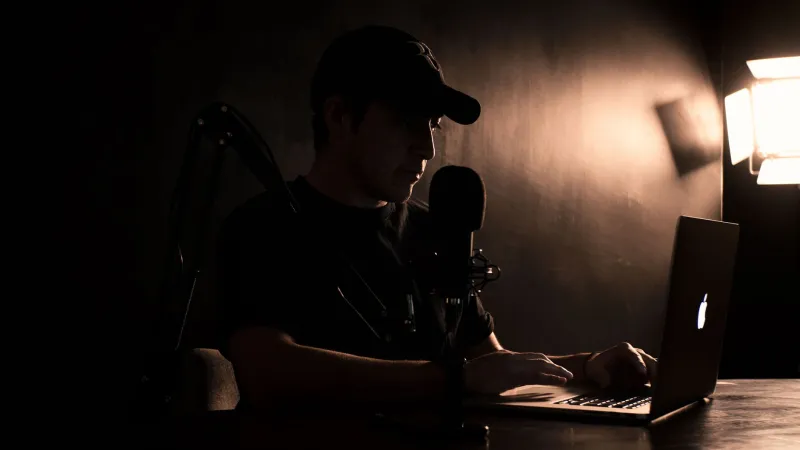
When Nothing's Happening, Everything Is: The Quiet Moments That Make Streamers Unforgettable
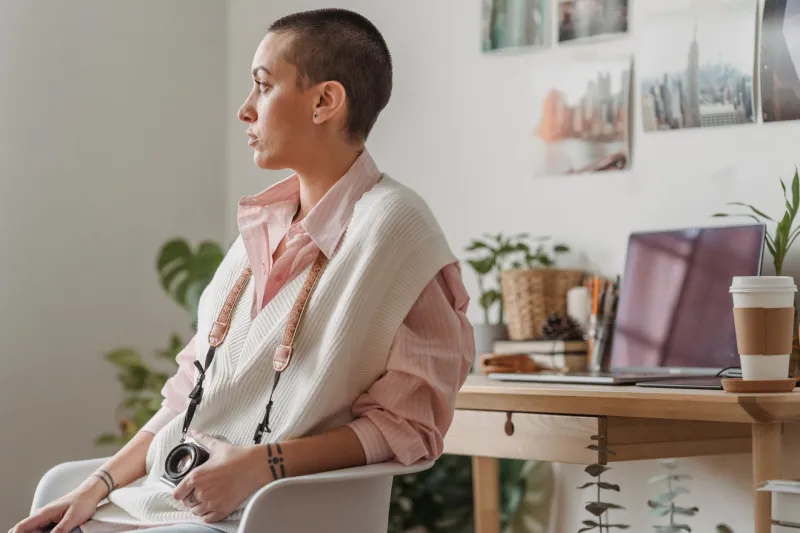
There's a moment every streamer knows. The chat slows down. The game hits a loading screen. You lose your train of thought mid-sentence. The silence lands, and your brain immediately starts screaming: say something, do something, fill it.
For most broadcasters — especially newer ones — dead air feels like failure. Like everyone watching is about to click away. So they fill it. They hum, they ramble, they pull up a reaction video, they crack a joke that doesn't quite land. Anything to plug the hole.
But here's what a handful of streamers have figured out, often by accident: the silence isn't the problem. The panic is.
The Myth of the Perfectly Packed Stream
We've been trained by television and polished YouTube content to expect wall-to-wall stimulation. Jump cuts, background music, captions flying across the screen — modern media rarely lets a beat breathe. So when people start streaming, they carry that expectation with them. Keep moving. Keep talking. Never let the energy drop.
The result? A lot of streams that feel weirdly exhausting to watch. Not because they're bad, but because they're relentless. There's no texture. No variation. Just a constant push forward that starts to feel less like hanging out and more like being sold something.
Viewers notice. They might not be able to name it, but they feel it — that low-level tension of a host who's terrified of stillness.
What Actually Happens in the Quiet
When a streamer stops performing and just exists on camera for a moment, something shifts in the dynamic. The audience stops being an audience and starts being company.
Think about the difference between a friend who talks nonstop at dinner versus one who can sit across from you, look out the window, and just be comfortable in the same space. The second person feels safer. More real. You trust them more.
Streaming works the same way. A broadcaster who can sit with a quiet moment — who doesn't flinch, doesn't over-explain, doesn't immediately reach for a bit — signals something important: I'm not performing for you. I'm just here.
That's rare. And people cling to it.
Some of the most-clipped, most-talked-about streaming moments aren't the big plays or the viral jokes. They're the five-second pauses before someone says something honest. The stretch where a streamer is clearly thinking through a hard question a viewer just asked. The accidental quiet that leads to an unexpected confession or a real laugh.
The Streamers Who Stopped Running From It
Ask around in creator communities and you'll find streamers who describe a turning point — a moment when they stopped fighting the silence and started working with it.
One variety streamer with a mid-size but intensely loyal following describes it this way: she used to keep a running list of topics in a notes app, ready to deploy the second conversation slowed. Then one night, her Wi-Fi got flaky, her game froze, and she just sat there, thinking out loud about whether she even wanted to keep doing this. Chat exploded. Not with mockery — with people sharing their own burnout, their own doubts. It was the most engagement she'd had in months.
She threw out the notes app after that.
Another streamer — a guy who does long-form creative work on camera, painting and building props — says his most-watched segments are often the ones where he's working through a problem quietly, barely talking. Viewers describe it as meditative. They come back to it when they're stressed. He's not filling space; he's sharing a mental state. And that, it turns out, is something people genuinely want access to.
It's Not About Being Boring — It's About Being Present
This isn't a pitch for staring blankly at your camera for twenty minutes. Comfortable silence is different from disengaged silence. The streamers who pull this off aren't zoning out — they're actually more present in those moments, not less.
The key is attitude. When a quiet moment hits and the streamer's body language reads as relaxed, maybe curious, maybe just content — that's compelling. When it reads as panicked or checked-out, viewers feel it immediately.
Some broadcasters develop small rituals that fill quiet time with presence rather than noise. Scrolling through chat slowly and reading names. Taking a sip of coffee and commenting on it like a normal person would. Looking directly into the camera for a second without saying anything — which sounds weird until you realize it's basically direct eye contact, and humans are wired to respond to that.
These aren't tricks so much as habits of genuine engagement. They say: I see you, I'm here, we're good.
What the Algorithm Doesn't Understand
Here's the uncomfortable truth for anyone trying to optimize their way to a bigger audience: the metrics don't really capture this stuff. Average view duration, click-through rate, chat activity per minute — none of that measures the feeling of a viewer who keeps your stream open in the background every night because it makes them feel less alone.
The streamers who've mastered the quiet moment often have numbers that look modest on paper. But their communities are stickier than almost anything an algorithm could manufacture. People show up consistently, donate during slow streams, defend the broadcaster in comment sections, bring friends.
That's not an audience. That's a relationship. And relationships have quiet moments in them — that's actually how you know they're real.
Freedom Sounds Like Silence Sometimes
There's something genuinely countercultural about a streamer who refuses to perform every second. In a media landscape that's constantly competing for attention with louder, faster, more intense content, choosing to just be on camera is almost a radical act.
It's the kind of freedom that Freedon Live was built around — not the freedom to shout louder than everyone else, but the freedom to show up as a real human being and trust that's enough. Sometimes that means big energy and wild moments. And sometimes it means sitting quietly, letting the chat breathe, and discovering that the people watching aren't looking for a show.
They're looking for connection.
And connection, more often than not, lives in the pauses.