All These Followers and Still Feeling Alone: The Hidden Emotional Cost of Streaming

Photo: Lu Zhi, CC0, via Wikimedia Commons
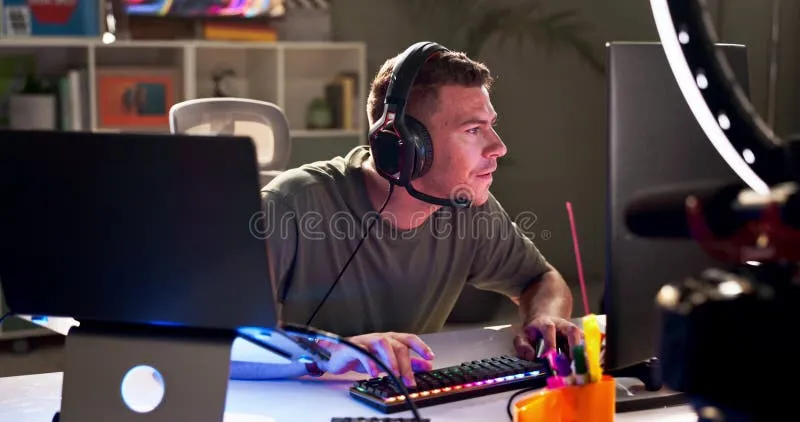
There's a moment a lot of streamers know but rarely talk about. The stream ends, the chat goes quiet, and the room — which felt electric thirty seconds ago — suddenly feels like a different place entirely. The numbers disappear. The energy evaporates. And you're just sitting there, alone in the glow of your monitor, wondering why 400 people saying your name didn't feel like enough.
It's one of the stranger contradictions of the live streaming era. Platforms built around real-time human interaction have, for a lot of people, made loneliness worse — not better.
The Illusion That Looks Like Community
Let's be honest about what live streaming does really well. It creates the feeling of connection faster than almost any other medium. When a viewer drops into your chat and says something that makes you laugh out loud, that's real. When a regular shows up at the start of every stream like clockwork, that consistency means something. The warmth isn't fake.
But there's a difference between warmth and depth, and that gap is where a lot of streamers quietly fall apart.
Dr. Andrea Salinas, a licensed psychologist based in Austin who works with several content creators, puts it plainly: "The brain responds to social stimulation even when the relationship isn't reciprocal in a traditional sense. You feel seen, you feel heard, you get a dopamine hit. But that hit doesn't build the kind of emotional foundation that actually sustains people long-term."
In other words, streaming can satisfy the surface of a social need without touching the deeper one. You can go live for three hours, have a genuinely fun time, and still feel like nobody really knows you.
What Parasocial Relationships Actually Do to You
The word "parasocial" gets thrown around a lot, but it's worth slowing down on what it actually means in a streaming context. A parasocial relationship is one where one person invests emotional energy into someone who doesn't — and can't — fully reciprocate. Viewers develop them with streamers all the time. But here's the part that gets less attention: streamers develop them with their audiences too.
When your chat becomes your primary source of social feedback, you start to depend on it in ways that aren't entirely healthy. A slow chat night starts to feel like rejection. A drop in viewership hits like a breakup. You find yourself performing emotions rather than actually feeling them, because the performance is what keeps people engaged.
Jordan, a variety streamer from Ohio who's been live on and off for four years, described it this way: "I got to a point where I was putting on this version of myself that my audience liked, and I lost track of where that character ended and I began. Off stream, I had nothing to say to anyone. I'd used up all my social energy on people who didn't actually know me."
That's not a personal failure. It's a structural one — built into how these platforms are designed.
Why Authentic Connection Is Harder Than It Looks
Here's the uncomfortable truth: most live streaming platforms are optimized for engagement, not connection. Engagement means clicks, watch time, reactions. Connection means vulnerability, mutual understanding, and the kind of slow-building trust that doesn't make for great metrics.
The format itself works against depth. Chat moves fast. Conversations are public. There's always an audience watching you have every interaction, which means every interaction carries a performance pressure that genuine intimacy can't really survive.
This doesn't mean real connection is impossible through streaming. It means you have to be intentional about creating the conditions for it — and that takes actual effort.
Building Something Real Instead of Just Broadcasting
So what does meaningful community actually look like in a live streaming context? A few creators and the experts who work with them have started figuring it out.
Smaller, slower, more deliberate. Some streamers are finding that cutting their audience size — intentionally keeping streams intimate — creates space for real conversations. When you're talking to 20 people instead of 2,000, you can actually remember names, follow up on things people mentioned last week, and have exchanges that feel like friendship rather than performance.
Off-platform connection matters. Discord servers, group chats, even occasional meetups — the relationships that survive beyond the stream are the ones that have somewhere else to live. If your community only exists when you're live, it's more fragile than it looks.
Protecting your own offline social life. Dr. Salinas is direct about this one: "Streamers need to actively invest in relationships that have nothing to do with their content. Not as a backup plan — as a foundation. The stream should be one part of your social world, not the whole thing."
Being honest about the dynamic. Some of the most respected creators in the space have gotten comfortable acknowledging the limits of the streamer-viewer relationship on stream. Naming it doesn't break the magic — it actually builds trust.
Freedom Means Knowing What You Actually Need
At Freedon Live, we talk a lot about authentic connection because we think it's genuinely worth fighting for. But authentic connection requires honesty, and sometimes the most honest thing a creator can say — to themselves, at least — is that a chat full of hearts and hype emotes isn't the same as being known.
Streaming can be a real part of a full social life. It can build communities that matter. But it can't replace the slower, messier, more demanding work of human closeness — and pretending otherwise is what leaves people feeling empty at the end of a great stream.
The good news is that figuring out the difference is the first step toward building something that actually lasts. And that's a conversation worth having out loud.