Cashing In Without Cashing Out: How Streamers Are Building Real Income on Their Own Terms
Photo: Danny Gotfried, CC BY 4.0, via Wikimedia Commons
The Old Playbook Isn't Cutting It Anymore
For years, the path to making money as a streamer looked basically the same: grind for followers, hit platform thresholds, unlock ads, maybe snag a brand deal if you got lucky. Simple enough on paper. But anyone who's actually tried it knows the reality is a lot messier — inconsistent payouts, algorithm shifts that tank your reach overnight, and sponsorships that ask you to hawk products you'd never actually use.
A growing number of independent creators are done with that game. They're not abandoning streaming — far from it. They're just rewriting the rules about how they get paid while doing it.
Tipping Culture Grew Up
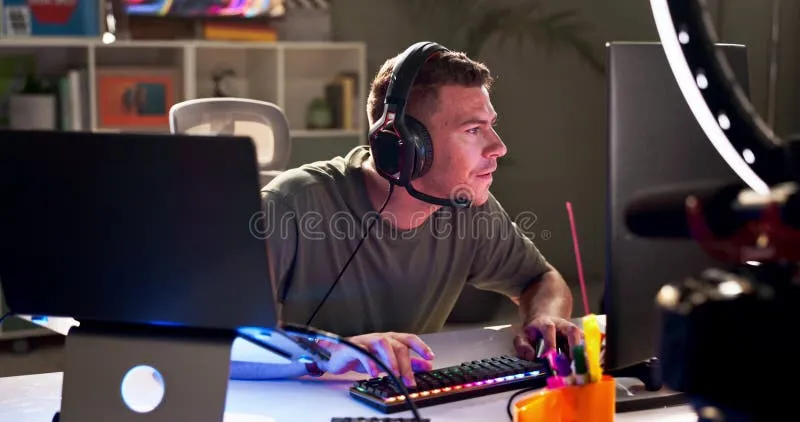
What started as a way for fans to throw a few dollars at their favorite gaming streamer has evolved into something much more sophisticated. Platforms like Ko-fi, Buy Me a Coffee, and even Venmo tip jars embedded directly into stream overlays have turned casual viewer appreciation into a genuine revenue layer.
Take someone like Marcus Webb, a DIY music producer who streams his beat-making sessions live out of his apartment in Atlanta. He's never crossed 8,000 followers on any single platform, but he pulls in close to $2,000 a month in tips alone — most of it from a core group of about 200 regulars who've been watching him for over two years. "They're not tipping because I asked them to," he says. "They tip because they feel like they're part of something. They watched the song get made. They voted on the samples. It's their music too, in a way."
That sense of co-ownership is hard to manufacture, and it's exactly what makes tip-based income so sticky compared to ad revenue. Ads pay you for eyeballs. Tips pay you for connection.
Subscriptions Without the Platform Tax
Patreon has been around long enough that it's practically old news, but the subscription model is having a genuine second wind as creators figure out how to layer it properly. The key shift? Creators are no longer treating subscriptions as a bonus — they're building their entire content strategy around them.
Jasmine Okafor runs a weekly live cooking stream where she teaches traditional West African recipes to a mostly American audience that never learned them growing up. She charges $7 a month for access to her extended streams, written recipes, and a private Discord channel where subscribers hang out between sessions. She has around 1,100 paying subscribers. Do the math — that's a livable income, and she doesn't have a single brand deal cluttering her feed.
"I tried the sponsorship route for about six months," she admits. "I was promoting a meal kit service that I genuinely didn't like. My audience noticed immediately. I lost subscribers over it. It wasn't worth it."
Her experience isn't unusual. Creators who've gone the subscription-first route consistently report that audience trust compounds over time in a way that ad-driven models simply don't.
Direct Sponsorships: Cutting Out the Middleman
Not every creator wants to walk away from brand partnerships entirely — and they don't have to. The move that's gaining traction is going direct: reaching out to smaller, niche-aligned brands before those brands even think to approach a talent agency or influencer marketplace.
A fishing and outdoors streamer based in rural Tennessee, going by the handle LakeDog, spent two years building an audience of about 15,000 before he emailed a regional tackle company directly and proposed a three-month sponsorship. No middleman, no platform cut, no standard rate card. They negotiated a flat monthly fee, he mentioned their gear organically during streams, and both sides were happy. He's now got three similar arrangements running simultaneously.
"The brands that actually fit what I do aren't running campaigns on influencer platforms," he explains. "They're small businesses. They want to talk to a real person. So I just called them."
This kind of grassroots deal-making requires more hustle upfront, but the trade-off is real creative latitude. No one's sending LakeDog a script.
The NFT Detour (And What Actually Worked)
It would be dishonest to cover alternative revenue streams without addressing the NFT moment — and the hangover that followed. A wave of streamers jumped into digital collectibles between 2021 and 2022, some making real money, many others burning audience goodwill they'd spent years building.
The creators who navigated it well tended to treat NFTs as a community membership tool rather than a speculative asset. Limited-edition digital badges that unlocked Discord access, exclusive stream archives, or early event tickets — those held value because they were tied to something real. The ones who pitched their NFTs as investments mostly regret it.
The lesson wasn't that the tech was broken. It was that anything you monetize has to connect back to something your audience actually cares about. When the thing being sold is just the thing being sold, people feel it.
Freedom Isn't Free, But It's Worth Budgeting For
Here's the honest part: diversifying your income as a streamer takes more work than just chasing platform growth. You're essentially running a small business — managing subscriber relationships, negotiating deals, staying on top of payment platforms, and still showing up live multiple times a week.
But the creators who've made it work describe something that sounds a lot like freedom. Not the kind that comes from viral moments or algorithm boosts, but the slower, more durable kind that comes from knowing your income doesn't depend on a platform deciding your content is worth promoting this week.
Your audience found you because of who you are. The whole point is to build a business that doesn't ask you to become someone else.