Your Stream, Their Rules: The Creator's Fight for Freedom on Someone Else's Platform
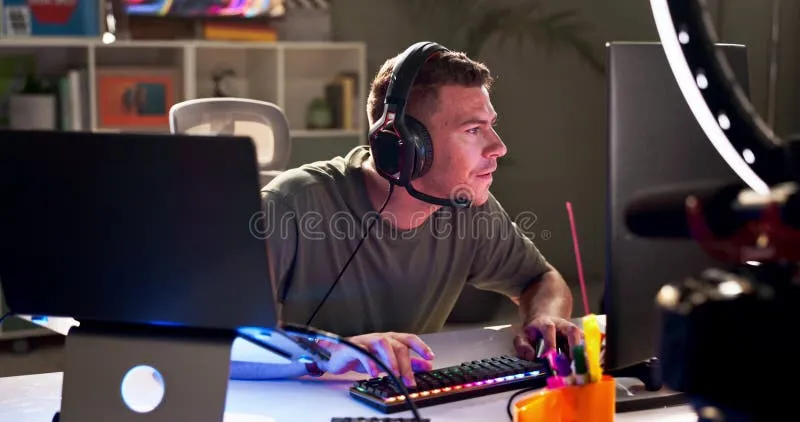
Photo: content creator frustrated laptop screen streaming setup, via thumbs.dreamstime.com
Imagine spending three years building an audience from scratch. Thousands of hours live, tens of thousands of loyal viewers, a real community that shows up for you every single night. Then one morning you wake up to an email — your account's been suspended. No appeal. No explanation beyond a vague reference to "community guidelines."
For a growing number of American streamers, that nightmare is very much a reality.
The tension between creator freedom and platform control has been simmering for years, but lately it's boiling over. As live streaming becomes a legitimate career path for more people across the country, the rules governing what you can say, show, and monetize are becoming impossible to ignore. And the uncomfortable truth? Most creators are building their entire livelihoods on land they don't own.
The Platform Is the Landlord — And the Judge
Here's the thing that doesn't get said enough: when you stream on Twitch, YouTube Live, TikTok, or any major platform, you're operating inside a private company's ecosystem. The First Amendment, which protects Americans from government censorship, doesn't apply here. These platforms are legally allowed to remove content, suspend accounts, and pull monetization for almost any reason they choose — as long as it's outlined somewhere in their Terms of Service.
And those Terms of Service? They're long, vague, and constantly changing.
"The language in most platform agreements is deliberately broad," says one digital media attorney who works with content creators. "Terms like 'harmful content' or 'inappropriate behavior' give platforms enormous discretionary power. Creators sign these agreements without realizing how little recourse they actually have."
That lack of recourse hits differently when your rent depends on your channel staying live.
Real Creators, Real Consequences
Take Marcus, a 29-year-old political commentary streamer based in Atlanta. He built an audience of over 80,000 followers discussing current events — nothing inflammatory, he says, just honest conversation. Last year, three of his streams were flagged within a single week during a particularly heated news cycle. Two were removed entirely. His ad revenue tanked, and the algorithm stopped recommending his content for months afterward.
"I wasn't doing anything I hadn't done a hundred times before," Marcus told us. "But the timing was bad, and I got caught in what felt like an automated sweep. There was no human being looking at my content. Just a system that decided I was a problem."
His story isn't unique. Streamers who cover politics, social justice, mental health, adult humor, and even certain video game content have all reported similar experiences — sudden demonetization, shadow banning, or account strikes that arrive without warning and are nearly impossible to contest.
The appeals process, when it exists at all, is notoriously slow and opaque. Creators describe submitting appeals into what feels like a black hole, sometimes waiting weeks for a response that often amounts to a form letter upholding the original decision.
The Moderation Machine
Platforms will tell you that content moderation at scale is genuinely hard. And honestly? They're not wrong. Twitch alone hosts millions of streams every day. YouTube processes hundreds of hours of video every minute. Relying entirely on human moderators isn't feasible — so automated systems do most of the heavy lifting, flagging content based on keywords, visual patterns, and behavioral signals.
The problem is that automated systems are blunt instruments. They can't read context. They can't tell the difference between a streamer dramatizing a scene from a novel and someone actually promoting harmful behavior. They flag first and ask questions later — if they ask at all.
Platform representatives, when they respond to press inquiries, tend to emphasize their commitment to "creator safety" and "community standards." But critics argue that safety and control aren't always the same thing, and that the current moderation framework disproportionately impacts smaller creators who lack the legal resources or platform relationships to push back effectively.
Who Actually Owns the Digital Stage?
This is the question that keeps coming up, and the answer is genuinely complicated.
From a legal standpoint, platforms own the infrastructure. They own the distribution channel. They set the terms. Creators own their creative work — in theory — but without access to the platform, that work becomes invisible. It's a bit like owning a painting that's locked in someone else's gallery.
Some creators have responded by diversifying across multiple platforms, building email lists, launching Substacks, or creating their own websites where they maintain direct relationships with their audiences. Others have moved to smaller, more permissive platforms that position themselves as free speech alternatives — though those platforms come with their own trade-offs, including smaller audiences and less reliable monetization.
"The smart move is to never rely on a single platform for everything," says one veteran streamer who's been in the game since the early days of Twitch. "Your community should know how to find you no matter what happens to your channel. That's the only real security you have."
A Framework Creators Deserve
What would a fairer system actually look like? Digital rights advocates have been pushing for clearer, more specific community guidelines that leave less room for arbitrary enforcement. They're calling for transparent appeals processes with real timelines and human reviewers. Some are pushing for legislation that would require platforms above a certain size to provide creators with advance notice before account actions and a meaningful opportunity to respond.
None of that exists in a comprehensive way right now. Until it does, creators are operating in a gray zone — building communities, building careers, and building their voices on platforms that retain the ultimate right to silence them.
That's not a reason to stop streaming. It's a reason to stream smarter, build wider, and never mistake a platform's reach for your own freedom.
Because the stage might be borrowed. But the voice? That's always been yours.