What Happens When You Stop Asking the Internet for Permission

The Approval Loop Nobody Talks About
There's a cycle that swallows streamers whole, and most of them don't even realize they're in it. You post something. You watch the numbers. You adjust. You post again. Somewhere in that loop, you stop making content and start manufacturing responses — optimizing for a reaction instead of actually saying something.
It's exhausting. And weirdly enough, it's also completely backwards.
The streamers who are genuinely breaking through right now — not just chasing a viral moment but building something that actually lasts — share one habit that doesn't show up in any growth guide: they stopped asking for permission. From the algorithm. From sponsors. From their own chat. They made the thing they wanted to make, and the audience followed.
When the Rules Became the Problem
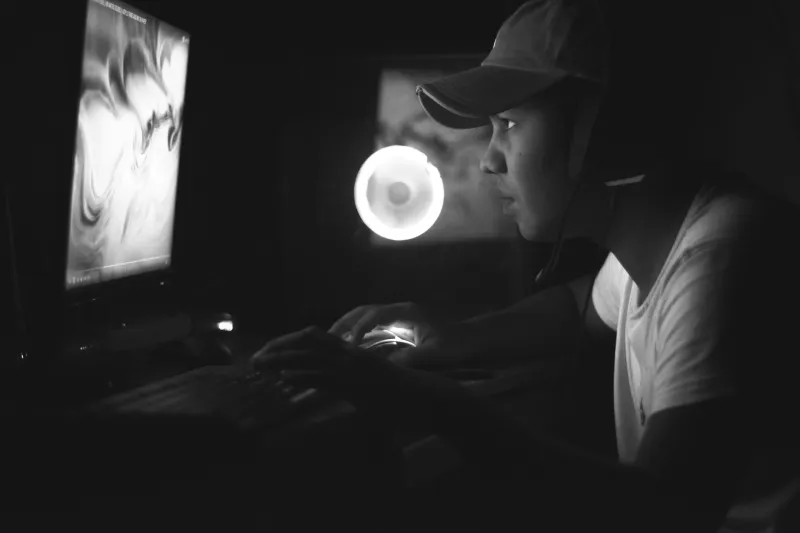
Take the case of a mid-sized gaming streamer who spent two years grinding out content in a lane he'd carved out for himself: competitive FPS breakdowns, clean commentary, the whole package. His numbers were decent. His sponsors were happy. His chat was predictable.
Then one night, on a whim, he spent three hours doing absolutely nothing competitive. He played a cozy farming sim his little sister had been bugging him about, talked about his anxiety, and kind of forgot anyone was watching. That stream became the most-clipped, most-shared thing he'd ever put out. Not because it was optimized. Because it was real.
He didn't ask if his audience would like it. He didn't run a poll. He didn't check the trending tab. He just did it — and in doing so, accidentally gave his viewers something they hadn't known they were missing: him, unfiltered.
The Algorithm Isn't Your Creative Director
Here's the uncomfortable truth about chasing platform signals: the algorithm is descriptive, not prescriptive. It tells you what already worked yesterday. It has no idea what's going to matter tomorrow, and it definitely has no feel for what's uniquely yours.
Streamers who treat algorithmic feedback like a creative mandate end up in a weird place — producing content that's technically optimized but spiritually hollow. Viewers can feel that. Maybe they can't name it, but they feel it. Engagement drops. Comments get shallower. The community that used to feel alive starts feeling like a waiting room.
Contrast that with creators who use data as one input among many — who look at the numbers but don't let the numbers run the show. They're the ones whose streams feel like something's actually at stake. Because something is: their actual point of view.
Sponsors Don't Know What Your Audience Wants Either
Sponsorship pressure is its own flavor of approval-seeking, and it can quietly reshape a creator's voice in ways that are hard to undo. When your livelihood is partially tied to keeping a brand happy, the temptation to sand down your edges is real.
But here's what's interesting: the streamers with the most loyal, commercially valuable audiences are almost never the ones who play it safest for sponsors. They're the ones who were weirdly specific, occasionally polarizing, and deeply themselves — and brands eventually came to them because of that distinctiveness, not in spite of it.
One lifestyle streamer who'd been doing careful, brand-friendly content for years decided to do a series she called her "ugly opinions" streams — just her, talking honestly about things she'd been softening for years. She expected backlash. She got a 40% spike in new subscribers and three new sponsorship inquiries within a month, including from a brand that specifically said they wanted to work with someone who "actually had a personality."
The permission she'd been waiting for was never coming from outside. It was hers to give herself.
Your Chat Is Not Your Co-Writer
This one's tricky, because community is everything in live streaming. The whole point is the connection, the back-and-forth, the feeling that something's being built together in real time. That's the magic.
But there's a difference between being in dialogue with your community and being held hostage by it.
When streamers start filtering every creative instinct through "but what will chat say," they've handed over the keys. And chats, bless them, are not known for their appetite for experimentation. They tend to love what they already love. That's not a knock on viewers — it's just human nature. Familiarity feels good.
The creator's job, though, is to occasionally drag the audience somewhere they didn't know they wanted to go. The streamers who do that — who show up with an idea that nobody asked for and make it work through sheer conviction — end up expanding their community instead of just maintaining it.
That tension between giving the audience what they want and showing them something new is where the best live content actually lives.
Breaking Your Own Unwritten Rules
Every streamer has them: the unwritten rules that govern what they do and don't do on stream. Some of those rules are useful. A lot of them are just fear with better PR.
"I don't do emotional content." "I never talk about politics." "I always keep it high-energy." "I don't show vulnerability."
Some of those rules protect real boundaries. But some of them are just the accumulated weight of worrying about what people will think — and they calcify over time into a creative ceiling.
The streamers who've found their most resonant moments often describe it the same way: they broke a rule they'd made for themselves, half-expecting disaster, and instead found that their audience was right there waiting on the other side of it.
A comedy streamer who "never got serious" did one stream after a personal loss where she talked honestly about grief. She almost didn't go live. She's since called it the most important thing she's ever done on stream — not because it went viral, but because it changed what her community felt like.
Freedom Isn't a Feature — It's the Foundation
The whole premise of live streaming is that it's unscripted, unmediated, and real. That's the draw. That's why people show up instead of just watching edited YouTube videos or polished Netflix content.
But that rawness only works when the person behind the camera is actually free — free to be wrong, to be weird, to be surprising, to change direction mid-stream because something more interesting just occurred to them.
The permission paradox is this: the more you seek approval before creating, the less of that freedom you actually have — and the less of it your audience gets to experience. The streamers who stop asking and just start doing aren't being reckless. They're being honest.
And in a media landscape drowning in content that's been committee-approved into blandness, honest is the most radical thing you can be.
So yeah. Stop asking. Start streaming. The best thing you've ever made is probably the thing you've been too nervous to try.